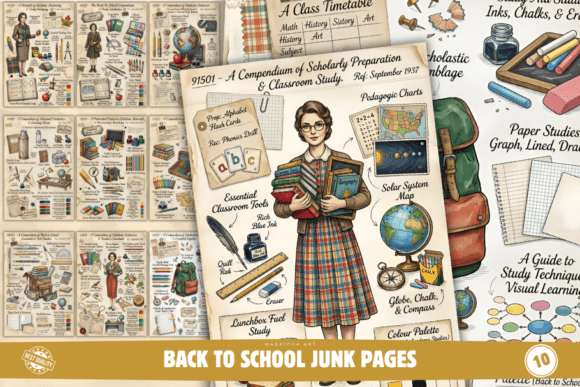
Back to School Junk Journal: A Practical Evaluation for Educators and Creators
The concept of a Back to School Junk Journal has gained significant traction among educators, scrapbookers, and digital content creators. Unlike traditional planners or standard notebooks, this format represents a hybrid approach that combines organizational utility with creative expression. For those evaluating this tool for their upcoming academic year, understanding the specific attributes of a high-quality digital resource is essential before making a purchase decision.
This evaluation explores the functionality, technical specifications, and practical applications of printable Back to School Junk Journal assets. It aims to help readers determine if these digital files align with their workflow needs, whether they are looking to create physical memory books or design digital study aids.
Understanding the Product Format
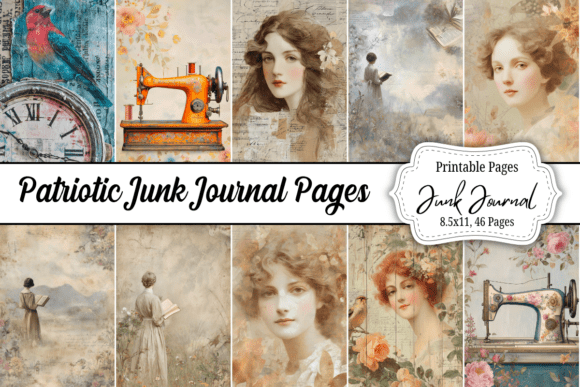
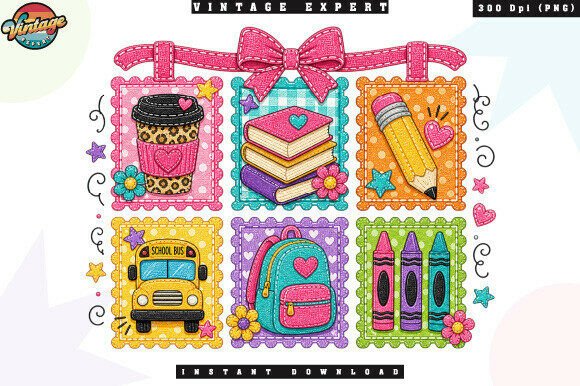
A Back to School Junk Journal in this context refers to a collection of digital templates designed to be printed or used within design software. These assets typically feature vintage ephemera, farmhouse clipart, and seasonal illustrations that serve as decorative elements or structural components for a journal page.
The core product described consists of 10 distinct PNG files. The choice of file format is critical for usability. PNG (Portable Network Graphics) is preferred over JPEG because it supports transparency, allowing users to layer images without unsightly white backgrounds. This compatibility ensures that the files can be integrated into various design programs, from Adobe Photoshop and Illustrator to free alternatives like Canva or GIMP.
Technical Specifications and Print Quality
When selecting digital resources for printing, resolution is a primary consideration. The specified resolution of 300 DPI (dots per inch) is the industry standard for professional-quality prints. At this density, text remains crisp, and image details do not pixelate when scaled up for large formats.
The dimensions provided, 2528 x 1696 pixels, offer a landscape orientation that is versatile for different paper sizes. While not a standard letter-size ratio, these dimensions allow for:
- Cropping to fit standard 8.5 x 11-inch paper without losing quality.
- Resizing for larger poster-style layouts.
- Integration into digital tablets or e-readers for annotation.
Reasons to Consider a Digital Junk Journal Kit
Users often seek out these kits for reasons that extend beyond simple decoration. The flexibility of the digital format offers several advantages over pre-bound physical journals.
Unlimited Creative Possibilities
The primary benefit of purchasing individual PNG files is the ability to resize, crop, and edit. A user is not limited to a pre-designed layout. Instead, they can rearrange elements, combine multiple pages, or isolate specific clipart to create custom headers, dividers, or background textures. This modularity supports a personalized aesthetic that mass-produced journals cannot match.
Digital and Physical Versatility
These assets serve a dual purpose. They can be printed on cardstock to create a tangible, tactile junk journal where users glue down ephemera, write notes by hand, and create collages. Alternatively, the same files can be imported directly into note-taking apps like GoodNotes or Notability. This allows students or professionals to use the designs as digital stickers or page backgrounds while maintaining a paperless workflow.
Evaluating Benefits and Tradeoffs
While the versatility of a Back to School Junk Journal kit is appealing, potential buyers should weigh the benefits against the requirements of the process.
Benefits
- Cost Efficiency: Buying a set of 10 reusable digital files is generally more economical than purchasing multiple pre-made physical journals.
- Customization: Users have full control over the final look, ensuring the journal matches their specific theme or color palette.
- Instant Access: As a digital download, there is no shipping wait time, allowing for immediate project initiation.
Tradeoffs and Considerations
The main tradeoff lies in the effort required to utilize the product effectively. Unlike a bound book that is ready to write in immediately, a digital kit requires setup. Users must possess or have access to design software to manipulate the files. Additionally, printing costs must be factored in if the goal is a physical journal, including the expense of high-quality cardstock and ink.
Another consideration is the file count. A set of 10 PNG files provides a starting point but may not cover an entire semester's worth of daily entries. Users might find themselves needing to supplement the kit with additional blank pages or other design resources to complete a comprehensive journal.
Situational Fit: Who Should Use This?
This type of resource is best suited for specific groups of people who value creativity and organization.
For Educators and Teachers: Teachers often use junk journals as interactive tools for lesson planning or student portfolios. The ability to print custom pages allows for the creation of themed units or visual aids that engage students more effectively than standard worksheets.
For Students and Hobbyists: Students looking to organize their study materials in a visually stimulating way will find these assets helpful. The "back to school" theme provides a psychological cue for new beginnings, which can boost motivation during the start of an academic term.
For Digital Designers: Those building digital templates for others can use these elements as base layers. The high resolution and transparent backgrounds make them ideal for creating premium digital products.
Alternatives and Decision-Making Insights
While a Back to School Junk Journal kit offers great flexibility, it may not be the right choice for everyone. Readers should consider the following scenarios where alternatives might be preferable.
If your primary goal is speed and simplicity, a pre-printed, bound planner is a better option. Pre-made journals eliminate the need for cutting, pasting, or using design software, offering a streamlined experience for those who just want to start writing immediately.
Conversely, if you require a strictly functional organizer without the artistic component, a standard spreadsheet or a minimalist bullet journal might suffice. The inclusion of vintage ephemera and clipart adds aesthetic value but does not inherently improve data organization.
Making the Final Decision
To determine if this product aligns with your goals, ask yourself three questions:
- Do I have the necessary tools? Do I have access to a printer capable of 300 DPI output, or do I have software to edit PNG files?
- What is my desired outcome? Am I looking for a finished physical object, or am I willing to spend time assembling a unique journal?
- How much customization do I need? If I need specific dates or layouts that differ from the provided templates, will I have the skills to modify the existing images?
If the answer to these questions is affirmative, then the Back to School Junk Journal package represents a strong investment. It provides a robust foundation of high-quality assets that can be adapted to meet diverse needs.
Conclusion
The Back to School Junk Journal serves as a bridge between traditional stationery and modern digital design. By offering 10 high-resolution PNG files compatible with major software, it empowers users to create personalized educational and organizational tools. While it requires more initial effort than off-the-shelf products, the long-term benefits of customization and versatility make it a valuable resource for those willing to invest time in their planning process.
Whether used to document classroom memories, organize student work, or simply add a touch of vintage charm to a study routine, these assets provide the building blocks for a meaningful project. For individuals seeking to inspire their next seasonal endeavor, exploring such collections can unlock new possibilities in how they approach learning and creativity.